Lancashire Clubs with Junior Rugby
Aldwinians RUFC
Ashton Under Lyne RFC
Aspull RFC
Blackburn RUFC
Blackley RUFC
Bolton RUFC
Broughton Park FC
Burnage RFC
Burnley RUFC
Bury RUFC
Clitheroe RFC
Colne & Nelson RFC
Crosby St Marys RUFC
Didsbury Toc H RFC
Eagle RUFC
East Manchester RUFC
Eccles RFC
Firwood Waterloo RFC
Fleetwood RUFC
Fylde RUFC
Garstang RFC
Heaton Moor RFC
Leigh RUFC
Littleborough RUFC
Liverpool Collegiate RUFC
Liverpool St Helens FC
Manchester FC
Newton Le Willows RUFC
Old Bedians RUFC
Oldham RUFC
Ormskirk RUFC
Orrell RUFC
Preston Grasshoppers RFC
Rochdale RUFC
Rossendale RUFC
Sedgley Park RUFC
Sefton RUFC
Southport RFC
Tarleton RUFC
Trafford MV RFCC
Tyldesley RUFC
Vale of Lune RFC
Warrington RUFC
West Park St Helens RFC
Widnes RUFC
Wigan RUFC
Wythenshawe RUFC
- A club's abilty to field Junior teams changes each season. This list represents the 2025/26 season.
- Clubs can be contacted through the 'CLUBS' tab or this link https://www.lancashirerfu.com/club
PRINCIPLES
- Lancashire RFU is responsible for the growth, support and promotion of Junior Rugby in Lancashire clubs to ensure a sustainable, progressive future for the sport in the county.
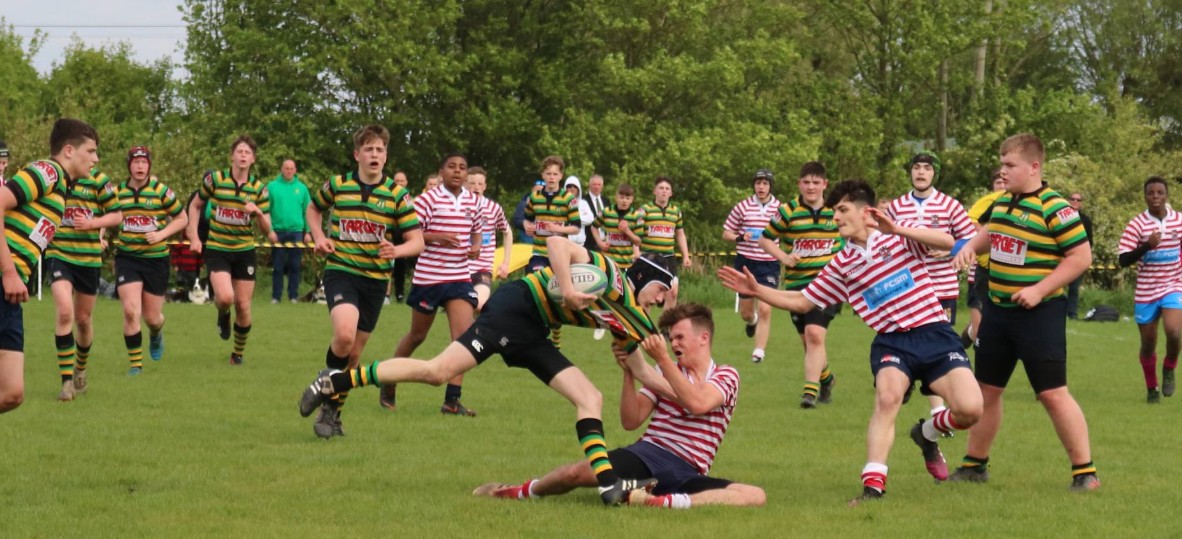
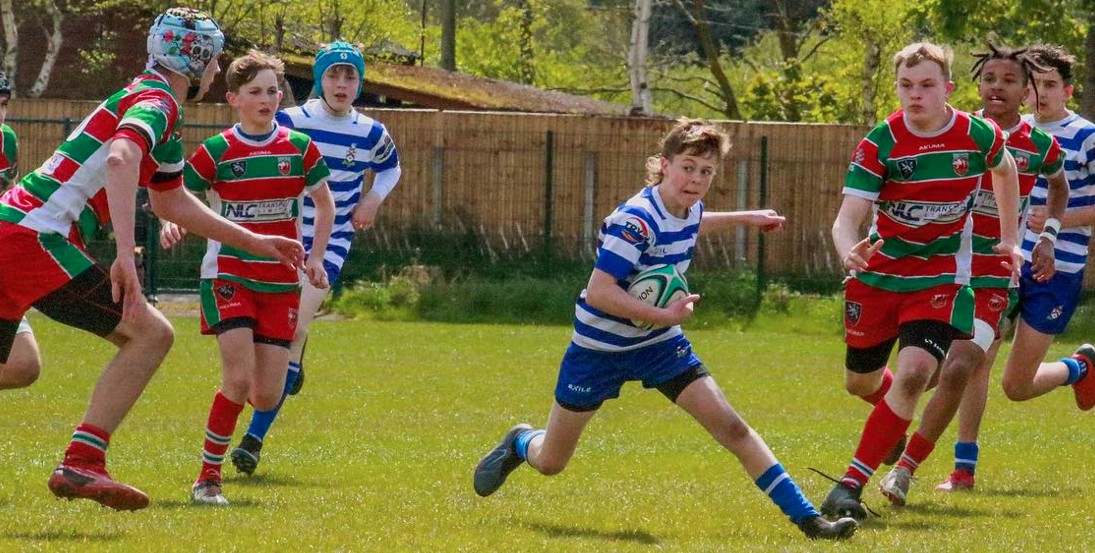
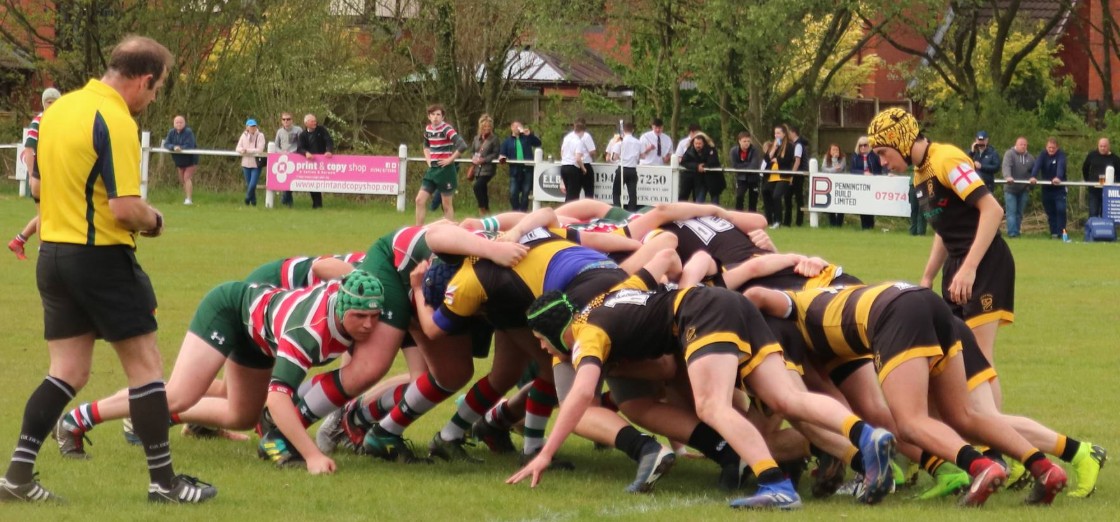
- The aim of Junior Rugby in Lancashire is to provide inclusive opportunties for boys, aged 12 to 16, to enjoy a safe, player-centred, development-driven, competition supported experience, where the emphasis is on participation and learning over winning.
- Lancashire RFU encourages all its members clubs to promote the development of players' personal and social skills as well as a wide range of sports skills to instill in the players a love of the game and a lifelong involvement in Rugby.
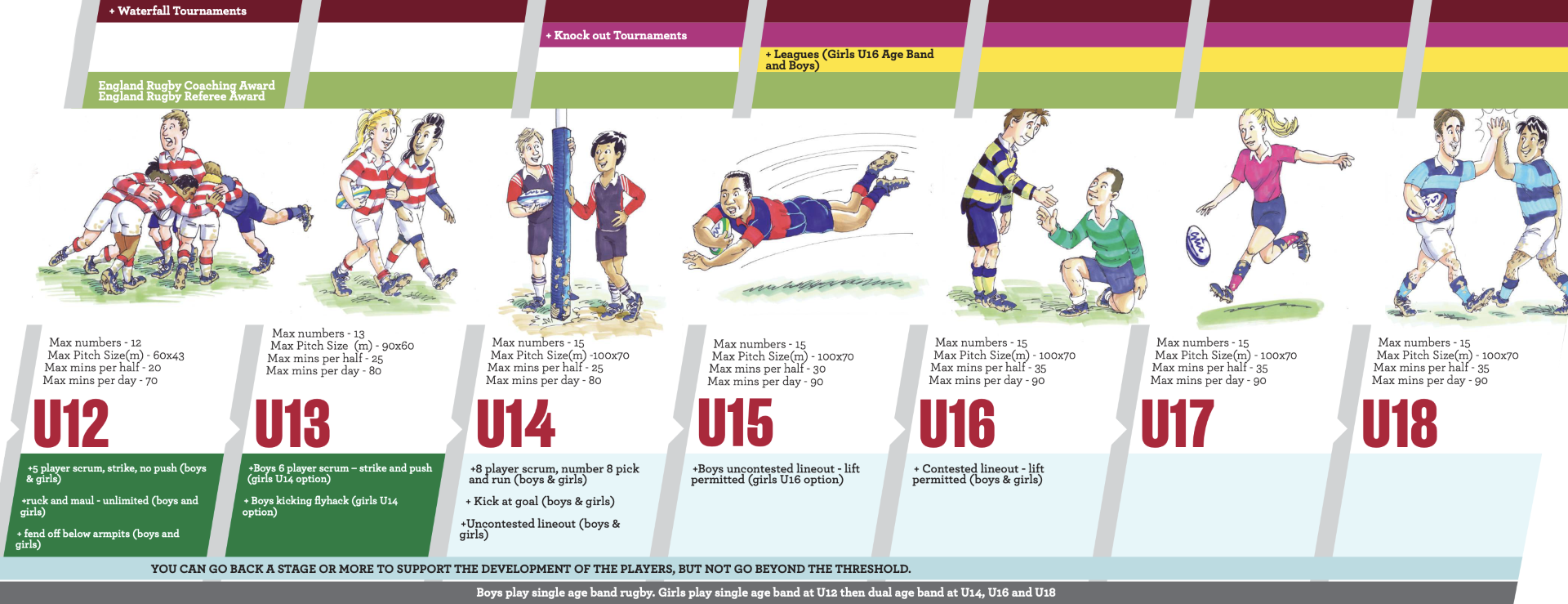
- RFU Age Grade Regulations and Lancashire RFU Junior Rugby competitons are designed to protect the well being of children and prevent mismatches, ensuring that players develop the correct skills at the right time and play at a level appropriate for their physical and mental development. Players playing out of Age Grade must have approved dispensation prior to them playing.
- In thier delivery of rugby, Clubs and Coaches should adhere to the RFU Codes of practice and promote the core values of TEAMWORK, RESPECT, ENJOYMENT, DISCIPLINE, SPORTSMANSHIP.
- All cup, league and friedly fixtures should be played in accordance with the RFU Age Grade Regulations. The half game rule must be observed to ensure Rugby is equitable and inclusive.
PLAYER REGISTRATION
All players in England, Male and Female, Age Grade and Adult, are required to register annually on RFU GMS
COMPETITIONS
- Results and information on Lancashire County Junior Rugby Competitions can be found on this link Juniors Competition
SCHOOLS RUGBY MANAGER
- Some areas of Lancashire will have access to a Schools Rugby Manager (SRM) who work with the RFU and other local providers toward supporting the game in schools.
- There are several factors involved in the RFU identification of areas which include potential for growth, club links and underrepresented groups.
- Currnetly those areas are North West Lancs (Fylde), Greater Manchester, City of Liverpool, City of Manchester and North East Lancs (Burnley).

RFU BOYS PDG PATHWAY
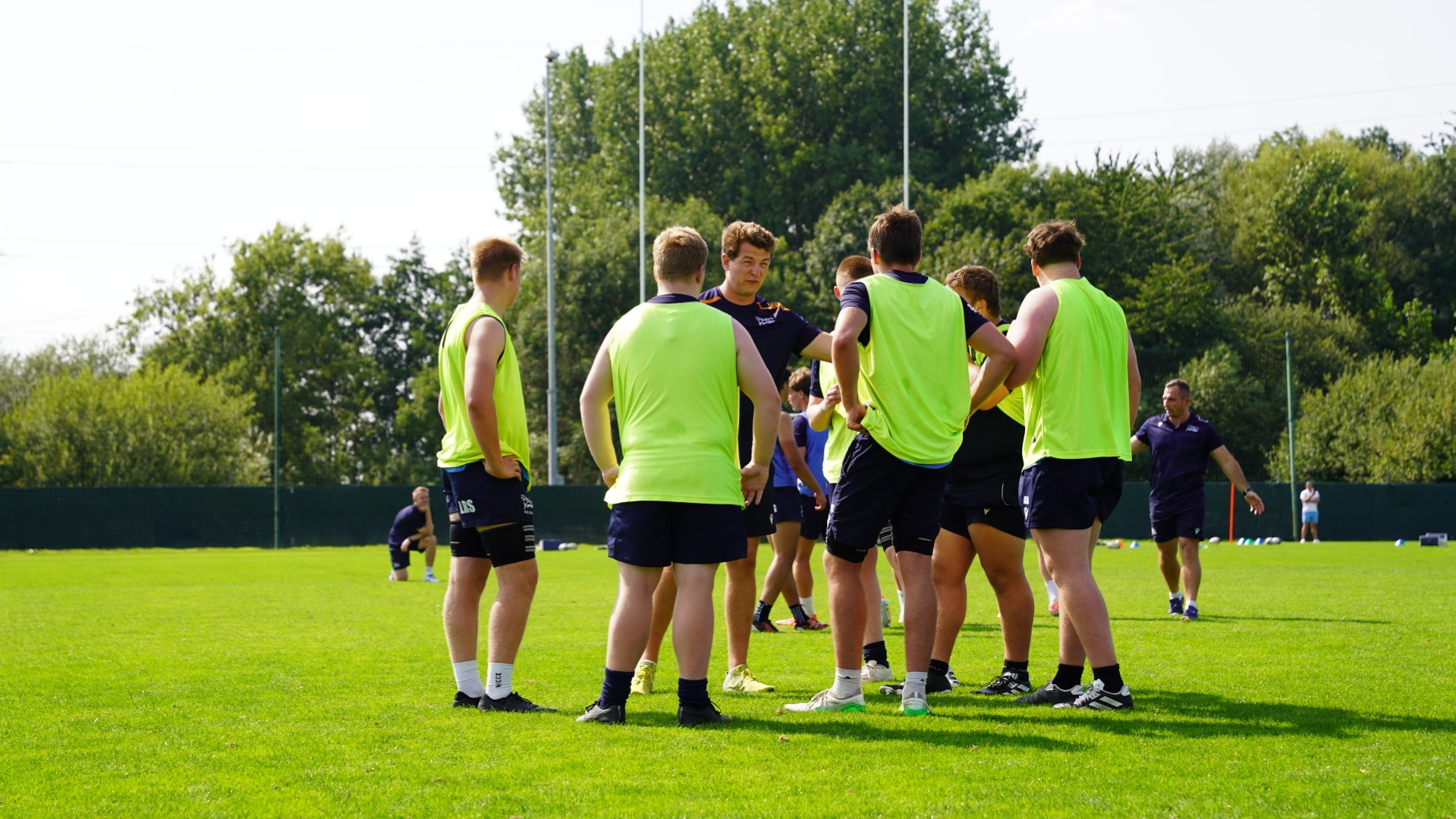
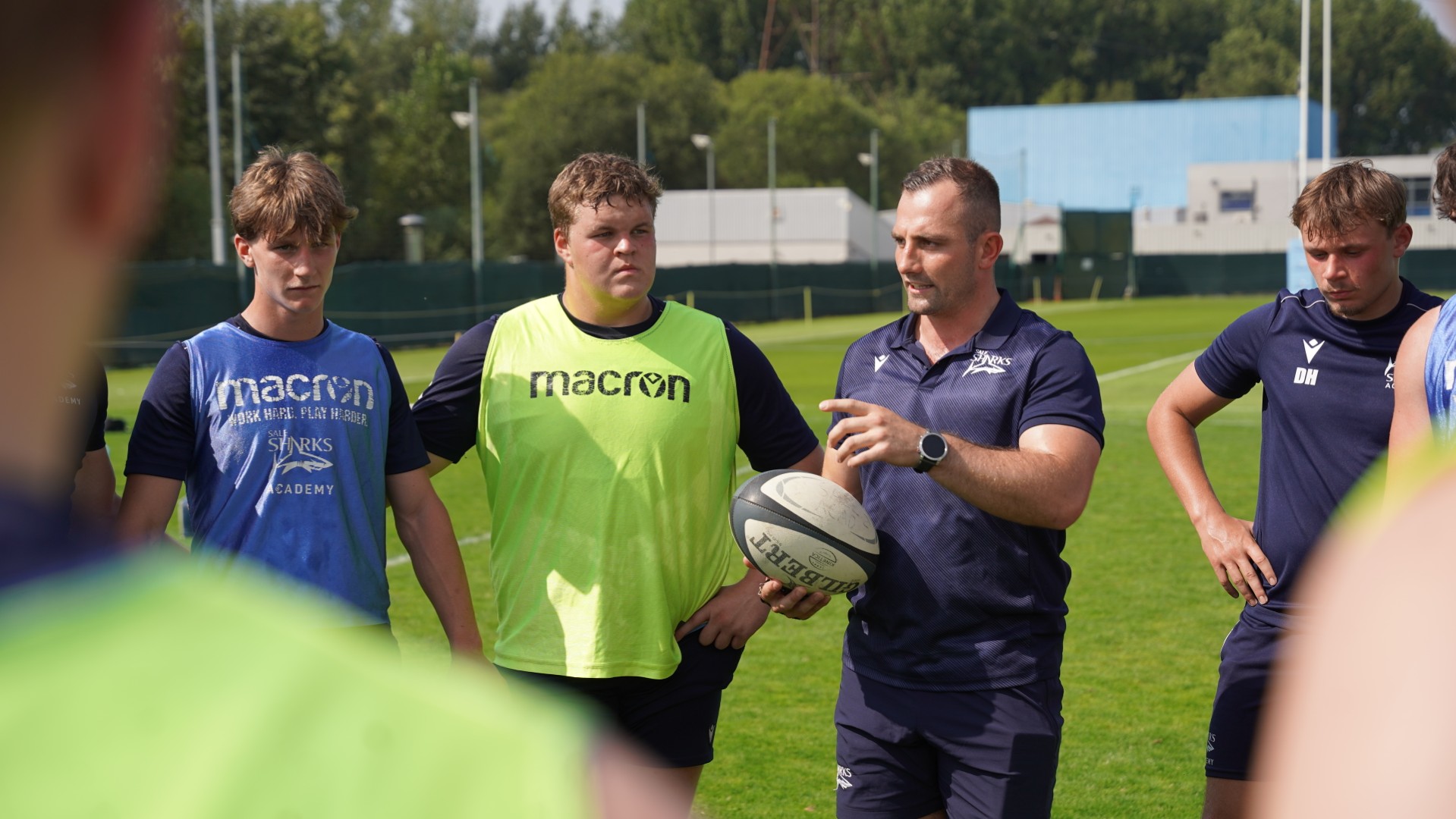
The boys' pathway is governed by the Professional Game Partnership and involves the RFU and Premiership Rugby working together. The responsibility for player development rests with the Premiership academy system. The purpose of each academy is to produce players for the Premiership and England. Lancashire, Greater Manchester, Merseyside and Cheshire are affiliated with the Sale Sharks Academy and more information on the Sharks development programme and the player attributes they value can be found on the link.
The Boys Age Grade Pathway comprises of two phases: Foundation and Development.
Boys PDG Foundation (U15 and U16)
- The Boys' PDG foundation phase is the first entry level point to the pathway and replaces what was previously known as DPP.
- To access the Foundation Phase players are usually nominated through their club or school to the relevant academy.
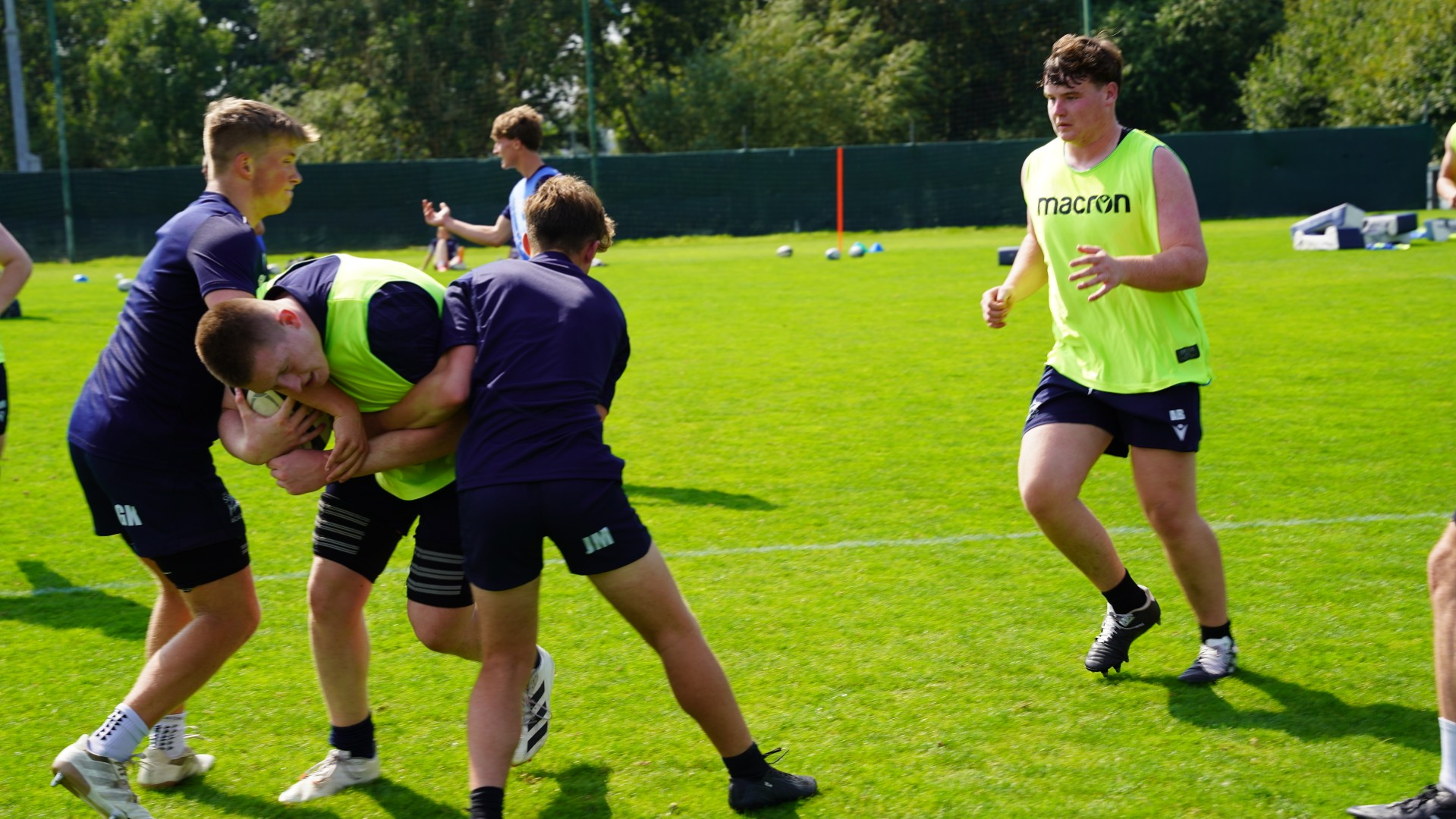
- The focus is on identifying players with potential and developing their athletic ability and rugby skills.
- To minimise travel time regional sessions are delivered at clubs by Academy staff and part-time coaches.
- Development is non-linear, players thrive at different points and as such programmes will accept new nominations at various times during the season.
Boys PDG Development (U17 and U18)
- The Boys' PDG development phase follows on from the foundation (U15-U16) phase.
- Selection usually comes from participation in the foundation phase but there are still opportunities for players to be nominated and join at a variety of stages.
- Sessions are driven by a national curriculum and are delivered by full-time and sessional academy coaching staff.
- The playing opportunities for this phase fall into two periods of the year - pre-season and post-Christmas.
- There is an academy league for the U18 age group.

PROGRESSION